
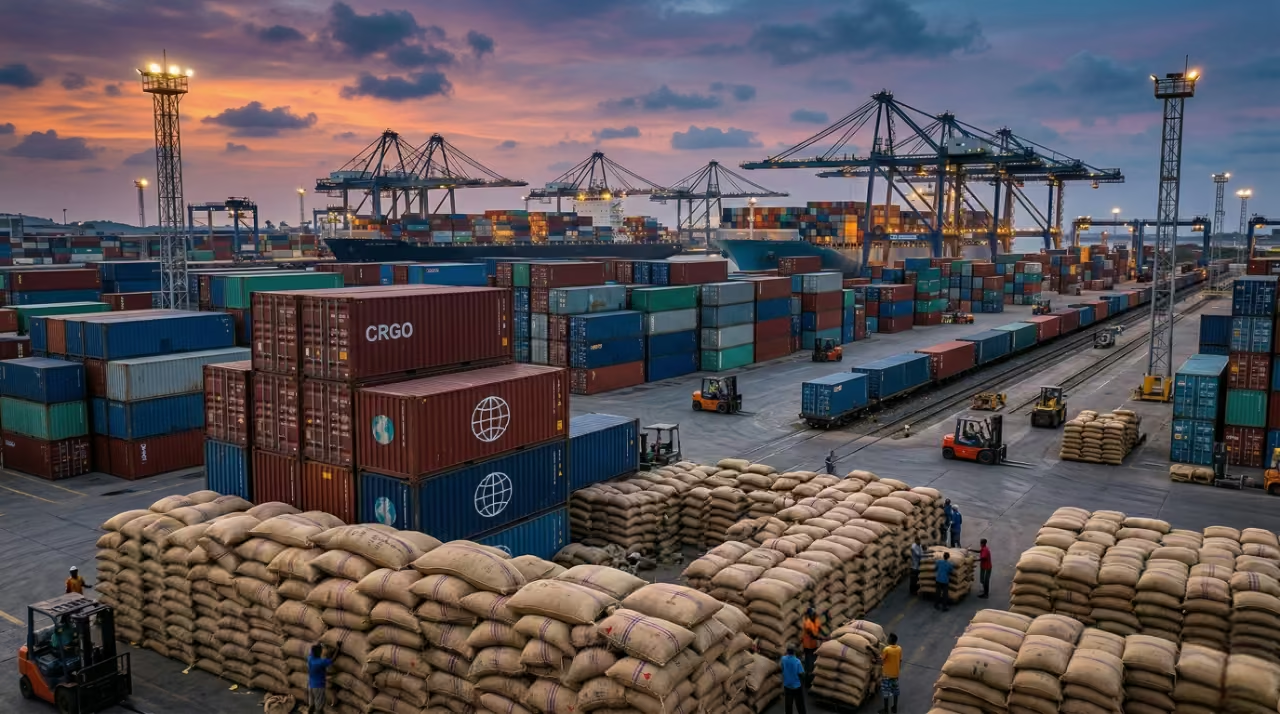
In global trade, where thousands of tonnes of material change hands every day, one silent force keeps the wheels turning smoothly and profitably: consistent specifications. Without them, bulk commodity supply chains risk inefficiencies, disputes, and damaged business relationships that can cost millions.
Whether you’re dealing with agricultural grains, metals, energy resources, or raw materials, consistent specification standards are the backbone of global commodity commerce.
1. What Are Specifications in Bulk Commodity Supply?
In simple terms, specifications are detailed, measurable requirements defined by buyers and sellers to describe what a commodity should be: its quality attributes, acceptance thresholds, and measurable characteristics (like size, moisture content, purity, or chemical composition). These specifications serve as contractual benchmarks that both parties agree on before any trade occurs.
Specifications go beyond labels they form the foundation of trust and accuracy in the bulk commodity supply chain, enabling producers, traders, regulators, and buyers to operate with clear expectations about what is being traded.
2. Why Consistency in Specifications Truly Matters
a) Ensures Product Quality and Usability
Consistent specifications guarantee that what is delivered meets the quality standards expected by the buyer. For example, in food or feed commodities, attributes like moisture level or contaminant limits directly impact usability and safety. Clear, enforced specification criteria reduce the risk of receiving substandard goods.
If producers deliver materials that don’t conform to agreed standards, buyers may reject shipments or seek price adjustments leading to strain in commercial relationships and financial setbacks.
b) Builds Trust and Reduces Disputes
In commodity trading, disputes over quality and quantity are among the most common conflict sources. Because bulk goods are often measured, inspected, and certified long before the buyer ever sees them, consistent specifications help eliminate ambiguity.
Independent quality and weight verification performed through standardized processes ensures that the commodity’s characteristics align with contract terms, reducing room for dispute and fostering trust on both sides of the transaction.
c) Boosts Market Transparency and Fair Pricing
When suppliers adhere to shared standards, commodities with the same specifications are easily comparable in the market. Prices become more transparent, and traders avoid the guesswork associated with variable quality levels.
Markets thrive on certainty, and standardized specifications reduce transaction costs by eliminating the need for bespoke negotiations on each contract. This makes trading more efficient and markets more liquid.
d) Supports Legal Compliance and Traceability
Specifications help companies comply with legal, safety, and regulatory requirements. In many industries, such as food and feed, legal frameworks mandate strict product specifications to protect consumers. Clear documentation and adherence to standards help companies avoid fines, recalls, or exclusion from regulated markets.
Further, specification accuracy promotes traceability, enabling stakeholders to track commodities from origin to end use, ensuring accountability at each stage of the supply chain.
3. The Role of Standardization in Supply Chain Efficiency
Standardization is the broader practice of establishing and applying uniform criteria within an industry so that products and processes are consistent regardless of origin. In a global supply context, this can include internationally recognized standards like ISO quality frameworks, grade definitions for bulk commodities, or master data guidelines that help harmonize information across systems.
For example:
- ISO standards ensure that food and agricultural products meet safety and quality benchmarks accepted worldwide, facilitating smoother cross-border transactions.
- Master data consistency standards like ISO 8000 improve the accuracy and portability of commodity data used in trading, lowering errors and optimizing procurement processes.
In essence, harmonized specifications and data standards reduce friction, clarify expectations, and enable faster decision-making throughout the commodity supply chain.
4. What Happens When Specifications Are Inconsistent?
When specifications are vague, inconsistent, or poorly enforced, several costly issues can arise:
- Quality deterioration during transit, especially in food or agricultural commodities where spoilage risk is real.
- Pricing disputes and penalties if delivered commodities do not meet contractual quality benchmarks.
- Logistical inefficiencies, as poor or misaligned specifications can lead to miscommunication between producers, inspectors, and distributors.
- Erosion of trust, making repeat business more difficult and harming long-term market relationships.
Such inefficiencies highlight why seasoned commodity traders prioritize rigorous specification management as part of their core operational strategy.
5. How Businesses Can Achieve Specification Consistency
To enjoy the full benefits of well-defined specifications, commodity supply chain stakeholders should consider these best practices:
- Develop detailed, measurable specification documents that leave no room for ambiguity.
- Use internationally accepted standards and certifications where applicable.
- Engage third-party verification and inspection services to enforce compliance objectively.
- Invest in traceability and data management systems for real-time monitoring and documentation.
These steps not only strengthen operational discipline but also signal professionalism to potential partners, opening doors to more competitive market opportunities.
Conclusion: Specification Consistency Drives Commodity Supply Success
In the global bulk commodity supply world, consistent specifications aren’t a luxury they’re a market imperative. They deliver quality assurance, reduce commercial disputes, support legal compliance, and enable efficient trading systems. By embracing rigorous specification standards, businesses lay a solid foundation for stronger relationships, optimized operations, and sustainable competitive advantage in the international marketplace.